
Keeping up with user behaviour is central to SEO, and one of the most important yet frequently overlooked parts of it is search intent. This includes the motivation or objective a person has when they perform a search.
This guide covers the different types of intent and how to serve each one properly.
What is user intent?
User intent, or search intent, is the goal someone aims to achieve when they enter a query into a search engine. It's the reason behind the search. That could be finding information, locating a particular website, or making a purchase.
Why search intent matters
Understanding intent isn't an added advantage, it's a necessity. Search engines prioritise showing the most relevant and useful results, so content that closely aligns with the intent behind a query stands a far better chance of ranking. Content that targets the words but misses the motivation tends to rank poorly and convert worse.
The three common types of search intent
| Type | What the searcher wants | Example queries |
|---|---|---|
| Navigational | To reach a particular website or page | "Facebook login", "Nike online store" |
| Informational | To gain knowledge or understanding | "what is the time in Melbourne", "how does blockchain work" |
| Transactional | To buy something or complete an action | "buy iPhone 14", "best camping gear" |
Each type is a lens for viewing user behaviour, and each gives you clues about how to shape your content and pages.
Navigational intent
When someone searches with navigational intent, they already have a destination in mind: a brand's homepage, a specific section of a site, or a social profile.
You might assume navigational queries only benefit well-known brands, but that isn't entirely true. Any business can optimise for it by making sure the site is easily findable and indexable.
How to optimise for navigational intent
- Clean URL structures. Make URLs clear, descriptive and readable. "yourwebsite.com.au/services" rather than "yourwebsite.com.au/?p=123".
- Site structure. The site should be easy to navigate. Both XML sitemaps and user-facing navigation help search engines and people find their way.
- Brand keywords. Optimise for your own brand name so you capture the navigational queries that are rightfully yours.
Local navigational intent
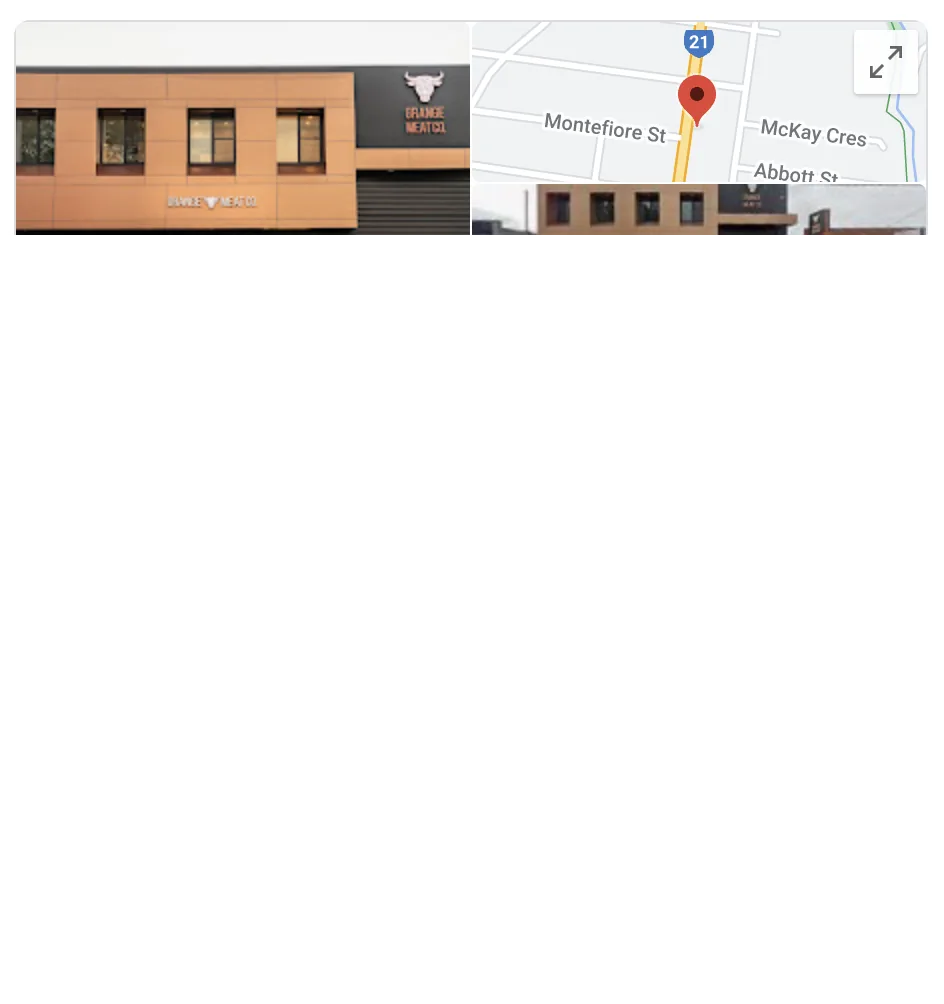
Local navigational intent is a subset of navigational intent where someone is seeking a specific local business, service or location: "best Italian restaurant near me", "nearest petrol station", "local yoga studio". Unlike general navigational queries aimed at a website, these aim at a physical place or a localised service.
For local businesses this is critical. Optimised properly, you can appear in Google's local pack at the top of results, which is some of the most valuable real estate available.
How to optimise for local navigational intent
- Google Business Profile. Make sure the listing is accurate, complete and kept current.
- Local terminology. Reflected in your titles, meta descriptions and page content.
- Local links. Coverage and links from local businesses, organisations and publications strengthen local visibility considerably.
Informational intent
Users with informational intent are looking to understand something, from simple factual queries through to complex explanations.
This is where businesses have a real opportunity to establish authority. Useful, well-researched content attracts a broad audience and can convert a portion of them into customers later.
How to optimise for informational intent
- High-quality content. Comprehensive, well-researched and updated regularly.
- Keyword approach. Longer, more specific queries usually represent clearer informational intent. Rather than targeting "SEO", target "how to improve SEO for small businesses".
- Rich media. Video, infographics and other formats make content more engaging and add value beyond text.
The best content formats for informational intent
- Blog posts. Ideal for less complex topics that need a shorter explanation.
- Guides and ebooks. Suited to in-depth exploration of a subject.
- Infographics. Good for simplifying complex information.
- Video. Useful for tutorials and demonstrations.
How to infer search intent
Inferring intent is a judgement call backed by data. It shapes both individual pieces of content and your wider strategy. Here's how to get the insight.
Analyse the top-ranking pages
The most direct method. Google aims to serve the most relevant results, so whatever ranks at the top is a strong indicator of what Google believes satisfies that query.
- Run the search. Look at the first five to ten results and note the type of content. It is mostly blog posts, forums, product pages or news?
- Study the content. Click through and look for common themes and formats. Long-form guides, short articles, listicles? Heavy on statistics, reviews or tutorials?
- Examine engagement. Shares and comments can hint at why a piece is performing.
- Check the domain. Sometimes a page ranks largely on domain credibility. Filter that out when deducing intent.
Leverage Google's own features
Features like "People also ask", the Knowledge Graph and featured snippets exist to satisfy aspects of a query quickly, which makes them useful clues about primary and secondary intent.
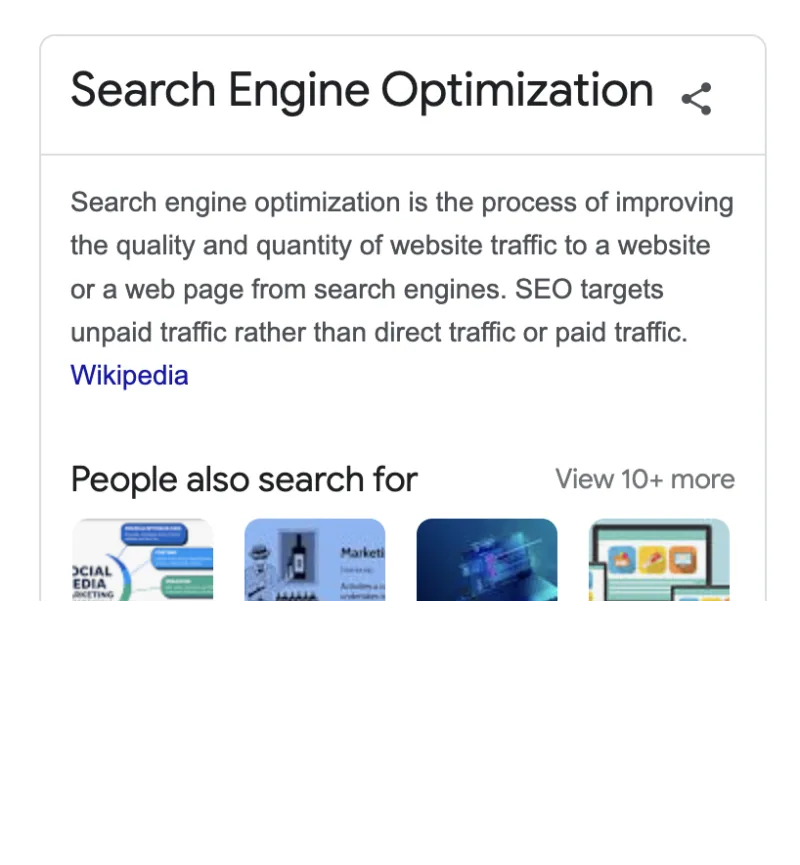
- People also ask. A list of related questions people commonly search. Its presence usually indicates informational intent.
- Featured snippets. Google believes a concise answer satisfies the query. Generally informational, though it can serve other intents.
- Knowledge Graph. A quick factual overview of a topic, which typically points to informational intent.
Use third-party SEO tools carefully
Research tools can show what type of content ranks for a keyword, estimated traffic and competition level. Look at what the top-ranking pages have in common, and treat search volume and difficulty as directional rather than exact.
High volume often suggests informational intent, since many people are seeking to understand the topic. Difficulty tells you how competitive the landscape is before you commit resources.
Transactional intent
Someone with transactional intent is looking to complete a specific action, such as signing up for a service or making a purchase. These are the users most likely to convert, which makes capturing this intent commercially critical.
How to optimise for transactional intent
- Product and service descriptions. Accurate and detailed, using the language your buyers actually use.
- Page speed. Users ready to purchase have little patience for slow pages. Speed affects both experience and conversion rate.
- Calls to action. Clear and compelling, so there's no ambiguity about the next step.
Ecommerce SEO for transactional intent
Ecommerce is a little different. Effective tactics need to cover keywords and content alongside on-page elements, product listings and the technical foundations that make shopping seamless.
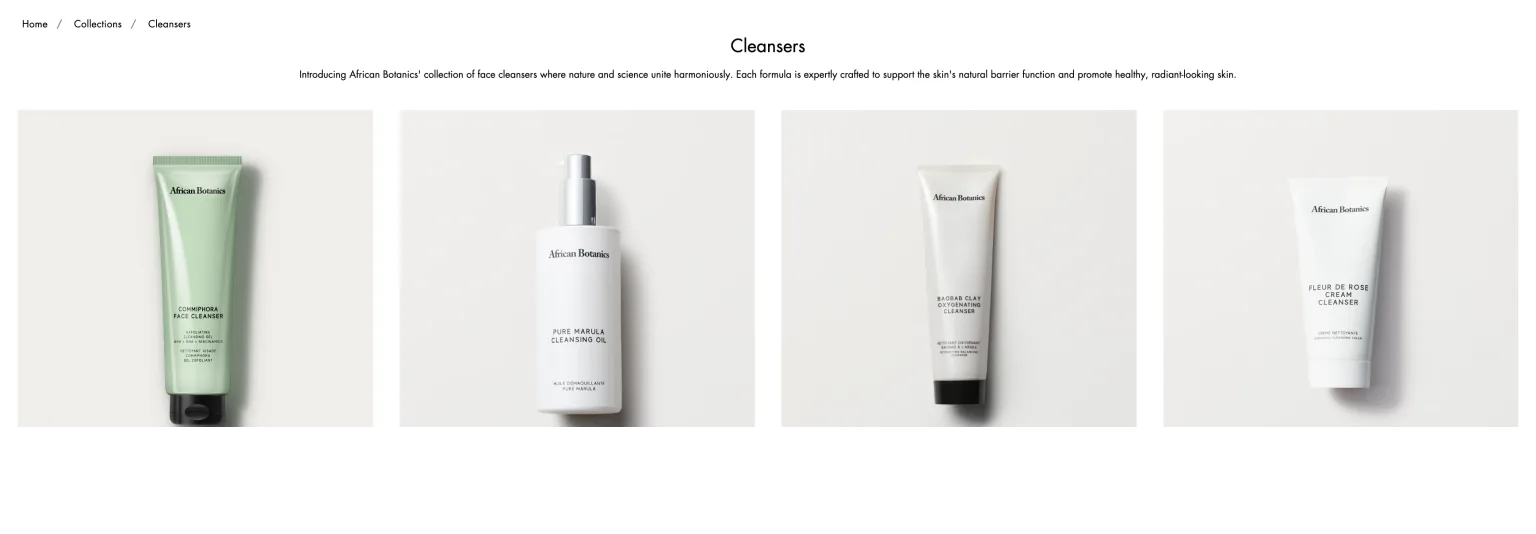
Making effective product listings
- Relevant keywords. In the product title, the description and the image alt text.
- Optimised images. High-quality images with descriptive alt text improve visibility in both text and image search.
- Structured data. Helps search engines understand the listing and can surface price, availability and ratings directly in results, making the listing more appealing.
On-page elements
Meta descriptions
A brief summary of the page that appears beneath the title in search results. A compelling description improves click-through rate. Summarise the page succinctly, include the term you're targeting, and keep it under roughly 160 characters so it displays properly across devices.
Header tags
Headers structure content so both users and search engines can follow it, emphasising key topics and improving scannability. Use the H1 for the main product or page title, H2 and H3 for the aspects and features beneath it, and include your terminology naturally where it fits.
User reviews and ratings
Reviews are social proof, and strong ratings build the trust that lifts conversion. Make it simple for customers to leave a review, and ask satisfied customers directly.
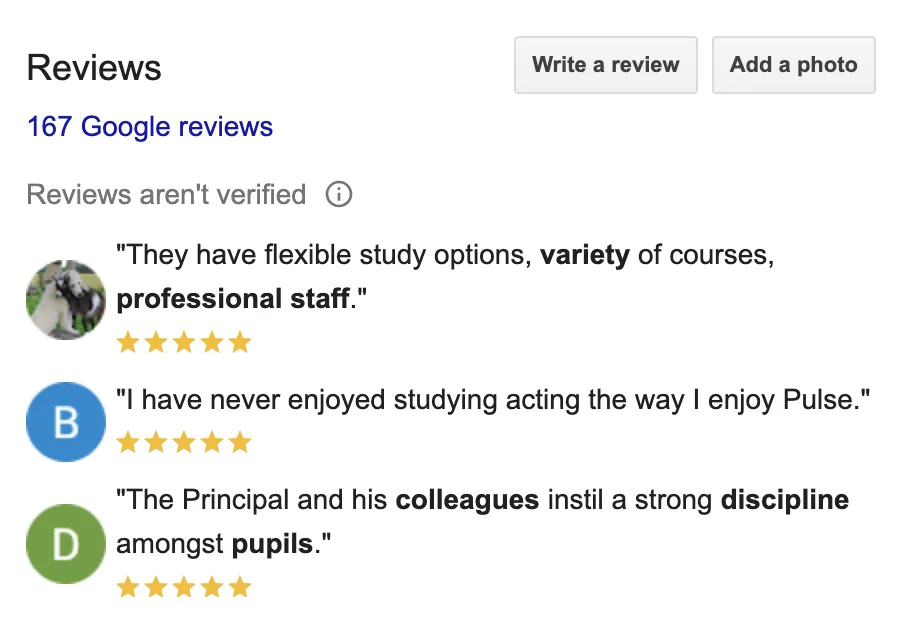
Structured data for reviews
Schema markup lets search engines display ratings in results, which lifts click-through rate and attracts better-qualified visitors. Tag ratings and reviews in your markup, then test the implementation to confirm it's being read correctly.
Intent when the search isn't a search
The three intent types above were defined for a world where every query went into a search box and came back as a list of links. That's no longer the only path.
People now describe their situation conversationally to an AI-assistant, often in far more detail than they'd ever type into Google, and get back a short recommendation. The intent hasn't changed. The surface has.
Two practical implications for how you serve intent through AI:
- Informational intent increasingly resolves without a click. A model answers the question using content it has read, including yours, and the user never arrives. That content still did work for you, by building authority and, at best, earning a citation. But if you measure it purely on sessions this metric is no longer as valuable.
- Commercial intent is where the value has concentrated. When someone asks which business they should use, a handful get named. Being one of them depends on the same things that satisfy intent generally: clarity about what you do, specificity about who you serve, and independent sources corroborating it.
The strategic response isn't to abandon informational content. It's to be realistic about what each type of content is now for, and to focus your investment toward the queries where a decision, and revenue, is actually at stake.
The bottom line on search intent
Search intent isn't another box to tick within SEO. It underpins the entire user experience and everything that follows from it. Anyone serious about search has to understand what their audience is actively looking for and why.
Aligning your content with those specific needs does more than improve your odds of ranking. It moves you from trying to be visible to providing value, which is what separates you from the competitors operating in the same space.
It also pays across the whole customer journey. An ecommerce site that optimises for transactional intent brings in organic traffic and converts it at a higher rate, which shows up directly in revenue. An informational resource that properly matches informational intent earns authority and credibility, which builds over time.
This is why intent should ultimately be measured against commercial outlines, not rankings alone. If you can attribute enquiries and sales back to the queries that generated them, you can see which types of searches are actually valuable for your business and make better decisions about where to focus your SEO efforts. That’s the gap I built LeadSight to address.
In a competitive market it's details like this that decide the outcome. The goal isn't just attracting clicks, it's fulfilling the purpose behind the search. Do that and you build a brand people trust, and a relationship that extends past the immediate transaction.